Introduction
Every thriving business begins with an idea — a spark of insight, a late-night realization, or a problem begging for a creative solution. But for young entrepreneurs, transforming that flash of inspiration into a sustainable startup can feel daunting. The path from concept to company isn't just about innovation — it's about structure and strategy.
TL;DR: A great idea isn't enough. Success comes from validating your concept, building a solid business foundation, designing a brand identity, securing funding, launching effectively, and adapting fast. Think in steps — not leaps.
Why It Matters: Young founders often underestimate the difference between creativity and execution. Ideas may come easy, but systems, structure, and sustainability are where winners separate from dreamers. With the right playbook, however, any visionary can evolve into a strategic founder.
Step-by-Step Guide: Turning an Idea into a Startup
| Stage | Key Action | Outcome |
|---|---|---|
| 1. Validate Your Idea | Research your audience and test assumptions. Tools like HubSpot's Blog or Y Combinator's startup library can help. | Confirms demand and reduces risk. |
| 2. Build a Business Model | Use the lean canvas approach — define value, costs, and revenue streams. Check resources like Strategyzer. | Clarity on how your idea makes money. |
| 3. Protect Your Concept | Consider registering your business name, domain, and trademarks. | Safeguards your innovation. |
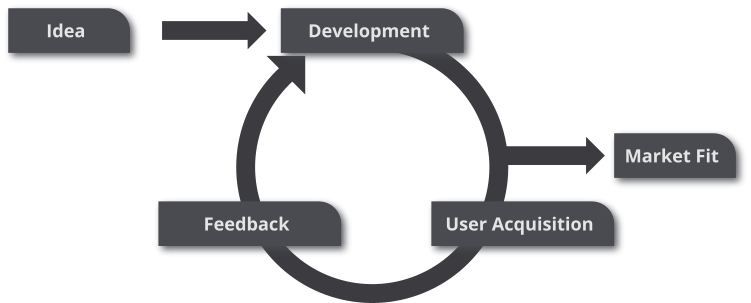
| 4. Create a Prototype or MVP | Launch small — one feature, one audience. | Proof of concept and real-world feedback. |
| 5. Find Mentors and Early Adopters | Join founder networks or accelerators — e.g., Techstars. | Guidance, partnerships, and early traction. |
| 6. Launch, Measure, Adjust | Track progress through KPIs — conversions, churn, or engagement. | Data-driven growth. |
Quick Checklist for First-Time Founders
- Define your mission clearly
- Research competitors thoroughly
- Secure a business name and domain
- Build a simple prototype or landing page
- Network with mentors or local entrepreneur groups
- Set measurable short-term goals
- Prepare a basic pitch deck
Crafting Your Brand Identity
Your brand identity should feel intentional from day one. A compelling logo, unified color palette, and thoughtful brand story make you recognizable. That extends to your business card — often the first physical touchpoint people have with your brand.
Modern entrepreneurs are turning to intuitive platforms for business card design and print to boost your brand. Such tools allow you to create stunning cards with high-quality templates, AI design capabilities, and easy print ordering — helping your brand look professional long before you scale up.
Featured Tip: Build Community Before Product
Most founders build, then try to find an audience — but it works better in reverse. Create a small online community around your niche. Engage on platforms like Reddit, Discord, or LinkedIn. Early followers can become your first users, feedback group, or even investors.


FAQ: Young Entrepreneurs Ask
How much money do I need to start?
Start with what you have. Build an MVP, not a full product. Many startups launch on less than $1,000.
Should I find a co-founder?
Only if it adds balance. A partner with complementary skills — tech if you're business, creative if you're analytical — strengthens your odds.
What if I fail?
Failure is tuition. Most founders iterate 2–3 times before success. Treat mistakes as test results, not dead ends.
How do I attract investors?
Show traction — even 100 active users or small revenue signals market fit. Investors back evidence, not just ambition.
Key Insights for Fast Learners
- Validate before you build
- Focus on solving a real, painful problem
- Design with your customer, not for them
- Keep your operations lean and adaptable
- Market as early as you prototype
- Track everything — what grows gets measured
- Reinvest early profits into brand and trust